
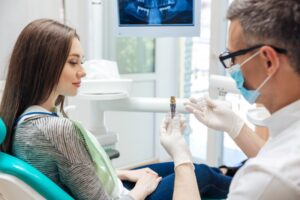
Dental implants are one of the most reliable and long-lasting ways to replace missing teeth. With proper planning and care, they boast a success rate of well over 95 percent and can provide decades of function and confidence. However, like any medical or dental procedure, implants aren’t completely immune to complications. The good news is that many of the factors that contribute to dental implant failure are preventable.
Here are 4 important ways you can help protect your investment and keep your dental implants healthy for years to come.
1. Practice Excellent Oral Hygiene
Although dental implants can’t develop cavities, the gums and bone surrounding them are still vulnerable to infection. Plaque can accumulate around the implant, leading to peri-implant mucositis or the more serious condition known as peri-implantitis. If left untreated, these infections can damage the supporting bone and eventually cause an implant to loosen.
To reduce your risk, brush your teeth at least twice a day and floss daily. Your dentist may also recommend floss designed for implants, interdental brushes, or a water flosser to help clean hard-to-reach areas. Maintaining healthy gums is one of the best ways to ensure your implants remain stable.
2. Keep Up with Regular Dental Visits
Routine dental checkups are just as important after getting implants as they were before. During these visits, your dentist can evaluate the health of your gums, check that your implant is functioning properly, and identify early signs of inflammation or other concerns before they become serious.
Professional cleanings also remove hardened plaque, or tartar, that cannot be eliminated through brushing and flossing alone. Staying consistent with your recommended checkup schedule can go a long way toward preserving your implant and your overall oral health.
3. Protect Your Implant from Excessive Force
Dental implants are incredibly durable, but they are not indestructible. Habits such as chewing on ice, biting your fingernails, opening packages with your teeth, or grinding and clenching your teeth can place excessive stress on both the implant and its restoration.
If you grind your teeth while sleeping, ask your dentist whether a custom nightguard is right for you. If you participate in contact sports or activities with a risk of facial injury, wearing a properly fitted mouthguard can help protect both your natural teeth and your implants from damage.
4. Avoid Smoking and Follow Your Dentist’s Instructions
Smoking significantly increases the risk of dental implant complications because it restricts blood flow, slows healing, and makes it more difficult for the implant to successfully fuse with the jawbone. Quitting smoking before and after implant surgery can greatly improve your chances of long-term success.
It’s also essential to carefully follow all of your dentist’s post-operative instructions. Eating the recommended foods, taking prescribed medications, avoiding strenuous activity during recovery, and attending follow-up appointments all help create the ideal environment for healing and osseointegration.
Dental implants are designed to be a long-term solution for missing teeth, but their success depends on a partnership between you and your dental team. By maintaining excellent oral hygiene, attending regular dental visits, protecting your implant from unnecessary stress, and following your dentist’s recommendations, you can greatly reduce the risk of implant failure.
About the Practice
If you’re interested in a long-lasting, modern solution to tooth loss, our team, led by Drs. Greg Riley and Duane Keuning, can outfit you with dental implants. We can permanently replace any number of missing teeth with beautiful, natural-looking restorations that’ll give you your confidence and functionality back. We also have multiple options available to make implants affordable. Head to our website to schedule your appointment or call (561) 622-7243.